Biology Class Project 2017-2018
Native Birds of the Texas Hill Country and South America
Our class is studying birds that are native to the Texas Hill Country and South America. One of our classmates lives in South America and he is providing us with information and pictures of the native birds in his region. The photos with blue borders are birds that are native to Texas. The photos with yellow borders are birds that are native to South America.
This webpage will be updated as we research more birds each week during the year.
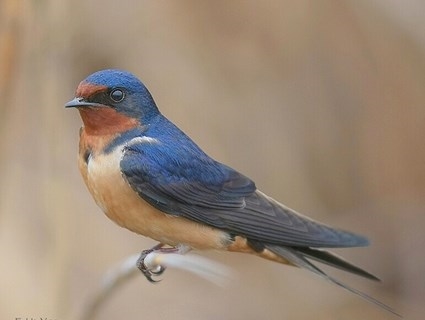
Barn Swallow
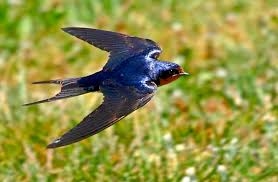
The biological name for a barn swallow is hirundo rustica. Barn Swallows can be found all across Texas, but they are most dense in eastern Texas. Flying insects, such as flies, grasshoppers, crickets, dragonflies, beetles, and moths, make up 99% of their diet. The average Barn Swallow weighs 0.63 ounces. They make their nests out of mud and grass, and they almost always build their nests under the eaves of man-made structures.
Great Kiskadee
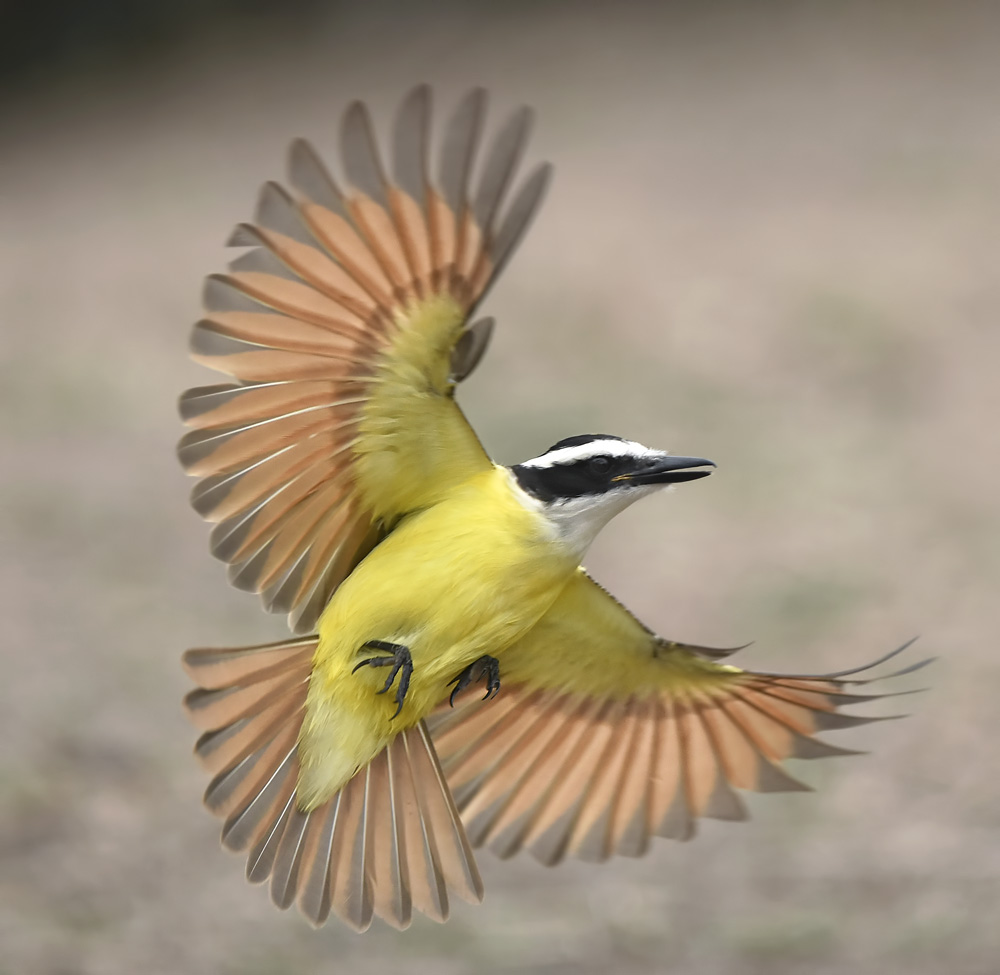
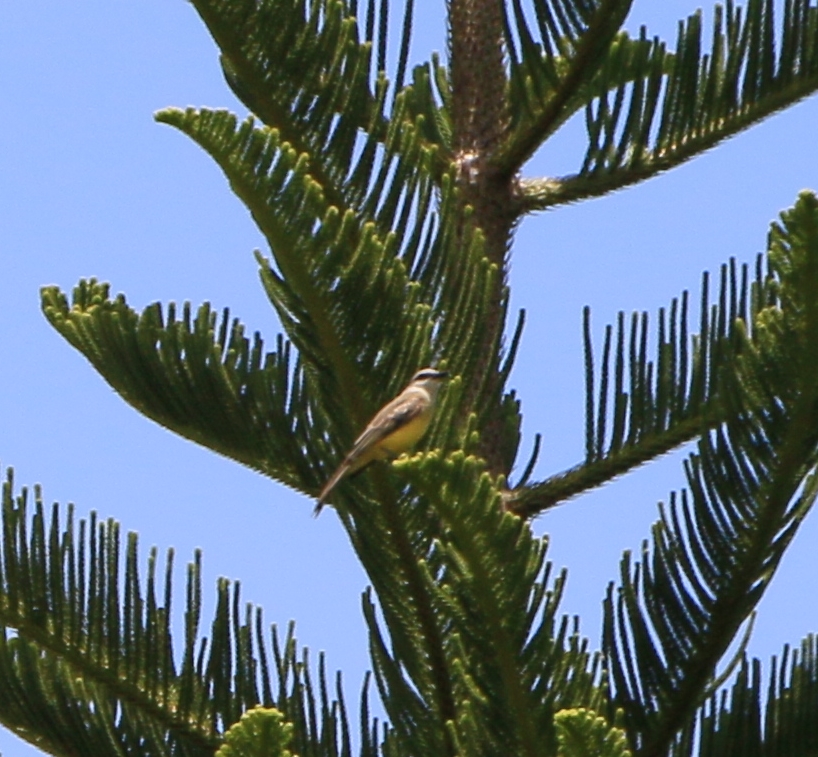
The biological name for the Great Kiskadee is pitangus sulphuratus. It lives in the jungles of Colombia. The Great Kiskadee eats mostly insects such as moths, beetles, bees and grasshoppers. It can grow to be 8.3-10.6 inches long and can weigh up to 2.4 ounces. It's been known to steal food from cats' bowls and it has been seen catching fish, even though its a flycatcher.
Roadrunner

There are actually two species of Roadrunner. The Lesser Roadrunner, or Geococcyx velox, and the Greater Roadrunner, or Geococcyx californianus, which is the species which is more dominate in Texas. Roadrunners live in arid and semiarid scrubland with scattered vegetation. They eat insects, spiders, lizards, mice, birds, and even snakes! Greater Roadrunners have the capacity to kill and eat rattlesnakes, which are very poisonous! Roadrunners generally grow to a length of 22-24 inches, with a wingspan of 19 inches and a weight of 20 ounces. During the cold desert night, the roadrunner lowers its body temperature slightly, going into a slight torpor to conserve energy. An interesting fact about Greater Roadrunners is that they can run at a speed of 20 miles per hour! Roadrunners hold a special place in Native American and Mexican tradition, where they were revered for their courage, strength, speed, and endurance.
Painted Bunting
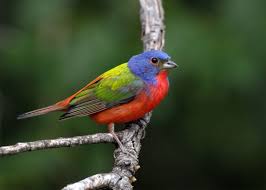
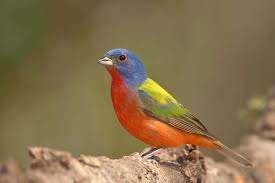
The painted bunting is a species of bird in the cardinal family, and it is typically found in thickets and woodlands edges or shrubbery and brushy areas. Its scientific name is Passerina ciris. It has a fairly small frame and measures at 4.7–5.5 inches in length, with a 8.3–9.1 inch wingspan. Its diet consists of almost exclusively seeds during winter, and during spring and summer it will enjoy small invertebrates such as spiders, grasshoppers, caterpillars, and other small insects. The French name of the painted bunting is nonpareil which means "without equal" because of the bird's dazzling and color full plumage.
Great-Tailed Grackle
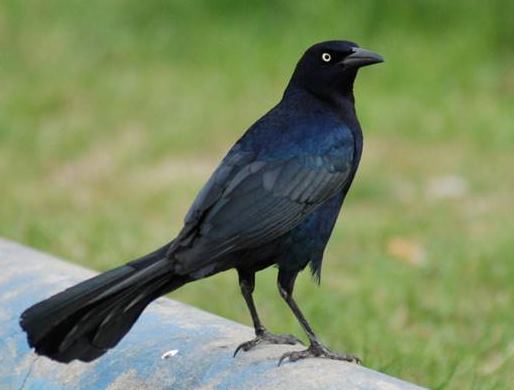
The Great-tailed Grackle (Quiscalus mexicanus) is found all across western United States and Mexico. They love to congregate extremely densely in cities and parking lots. They also prefer cover around golf courses, lakes, and agricultural fields. Grackles eat small fish, frogs, and different types of seeds, like acorns and corn. They also love to find scraps in restaurant parking lots. Great-tailed Grackles can reach up to 18 inches length and weigh 9.3 ounces. Both male and female birds have long tails. Great-tailed Grackles can learn to recognize a specific researcher or capturer and give and alarm call when that specific person comes into view. In 1900 the northern edge of the Great-tailed Grackle’s range barely reached southern Texas. Since the 1960s they’ve followed the spread of irrigated agriculture and urban development into the Great Plains and West, and today are one of North America’s fastest-expanding species.
Mockingbird
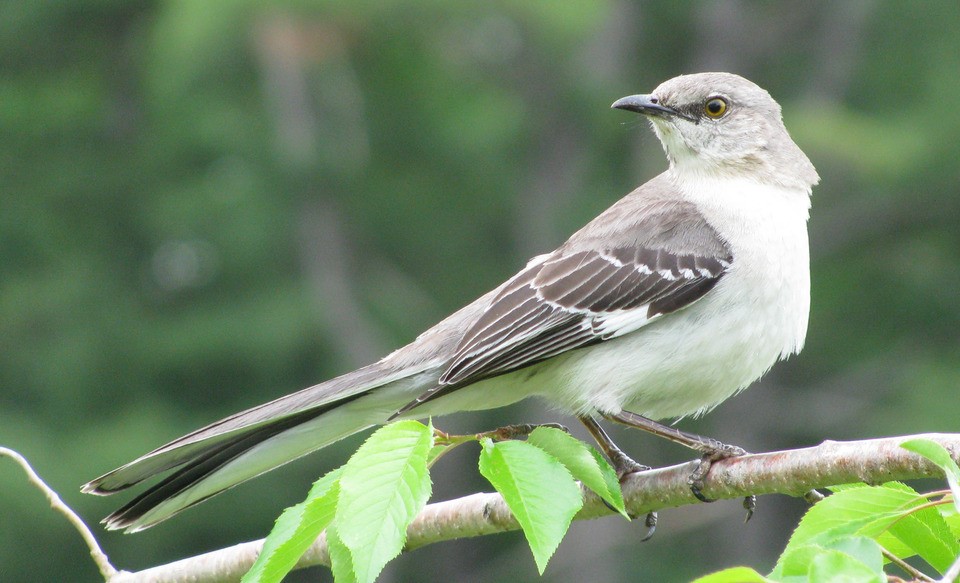
The Northern Mockingbird, (Mimus Polyglotto). can be found year-round in areas with open ground and with shrubby vegetation like hedges, fruiting bushes, and thickets. They eat mainly insects in summer, but switch to eating mostly fruit in fall and winter. The Northern Mockingbird is 8.3 – 10.2 in. long, has a wingspan of 12.2 – 13.8 in., and weighs 1.6 – 2 oz. It is called the Mockingbird because it “mocks” or “mimics” the song of other birds and insects as well. Northern Mockingbirds sing all through the day, and often into the night. Most nocturnal singers are unmated males, which sing more than mated males during the day, too. Nighttime singing is more common during the full moon.
Turkey Vulture
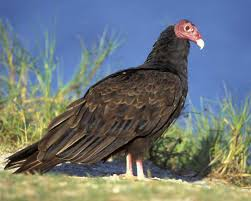
Turkey vultures (Cathartes aura) live in widespread open country, woods, deserts, and foothills. They are a common sight in southern and eastern Texas year-round. Their diet consists mainly of carrion, and they feed mainly on recently dead animals. Occasionally, they will feed on decaying vegetable matter, live insects, or live fish in drying-up ponds. The Turkey Vulture grows to about 25-32 inches in length, with a 5-1/2 to 6-1/2 foot wingspan. They typically weight from 2 to 4-1/2 pounds. Turkey vultures have an extraordinary sense of smell. They have been known to be able to smell carrion from over a mile away, which is very unique in the bird world. The turkey vulture has the largest olfactory (smelling) system of all birds. When a group of Turkey vultures is perching it is called a “wake”, while a group of vultures spiraling in the air is called a “kettle”.